10 December 2025
Automatic lubrication system: advantages and differences from traditional methods
Lubricant management affects every phase of sheet metal processing. Every operation, from blanking to deep drawing, requires consi…
Read more →
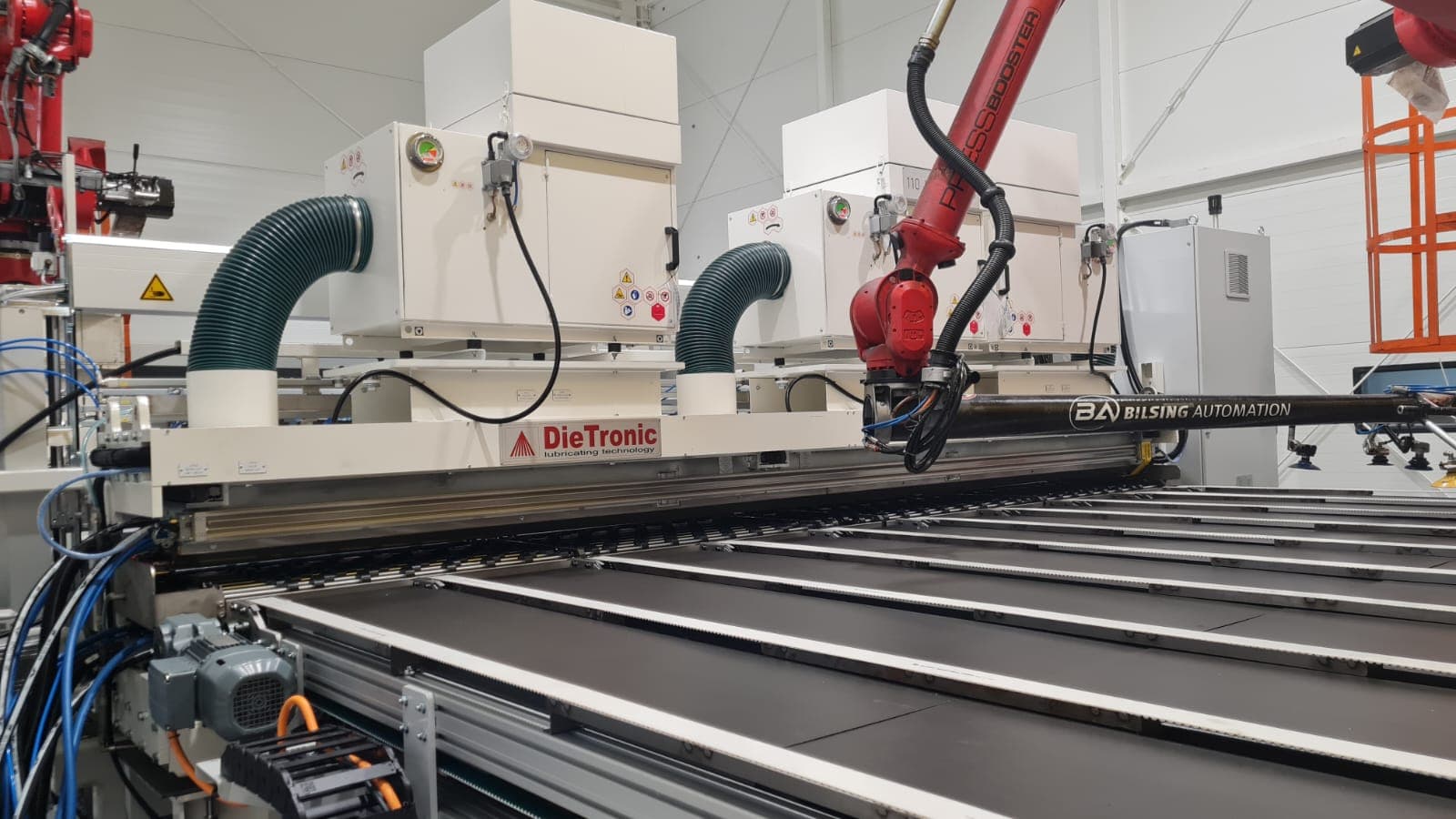
Lubricant management affects every phase of sheet metal processing. Every operation, from blanking to deep drawing, requires consi…
Read more →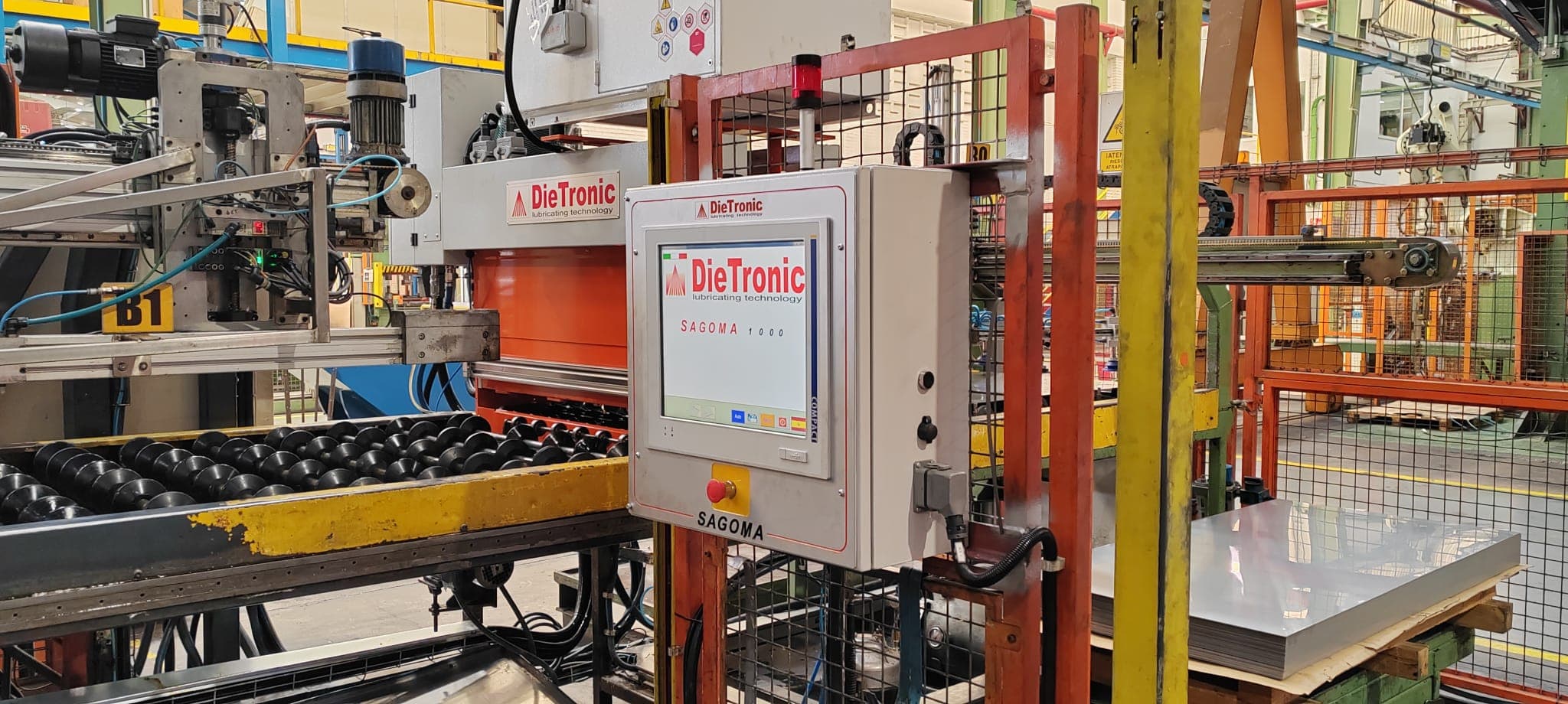
In every production plant, downtime affects the pace of the lines far more than what usually emerges from production reports. Even…
Read more →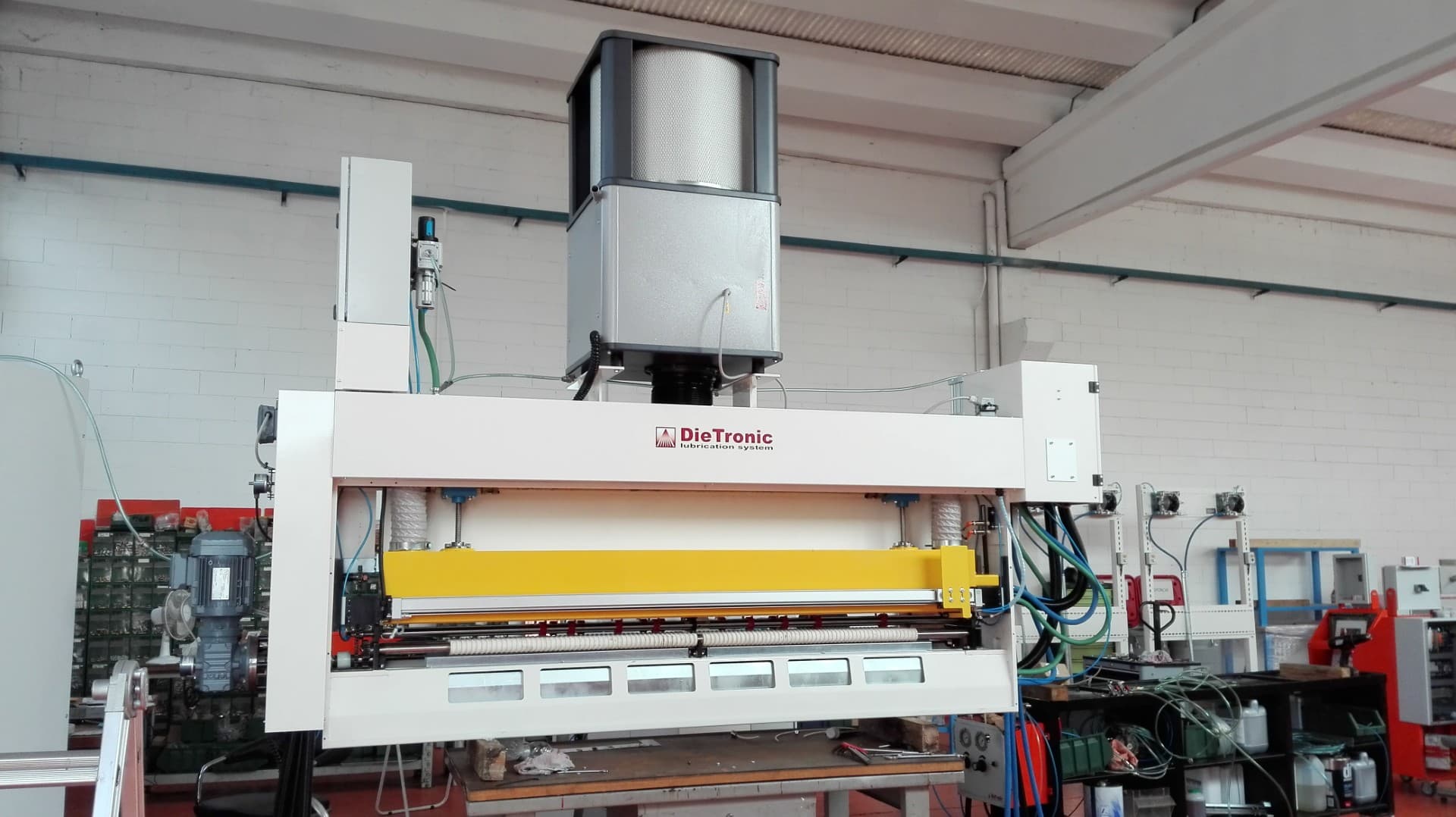
The ability to maintain a stable and continuous process depends on many factors, but one in particular has a direct impact on over…
Read more →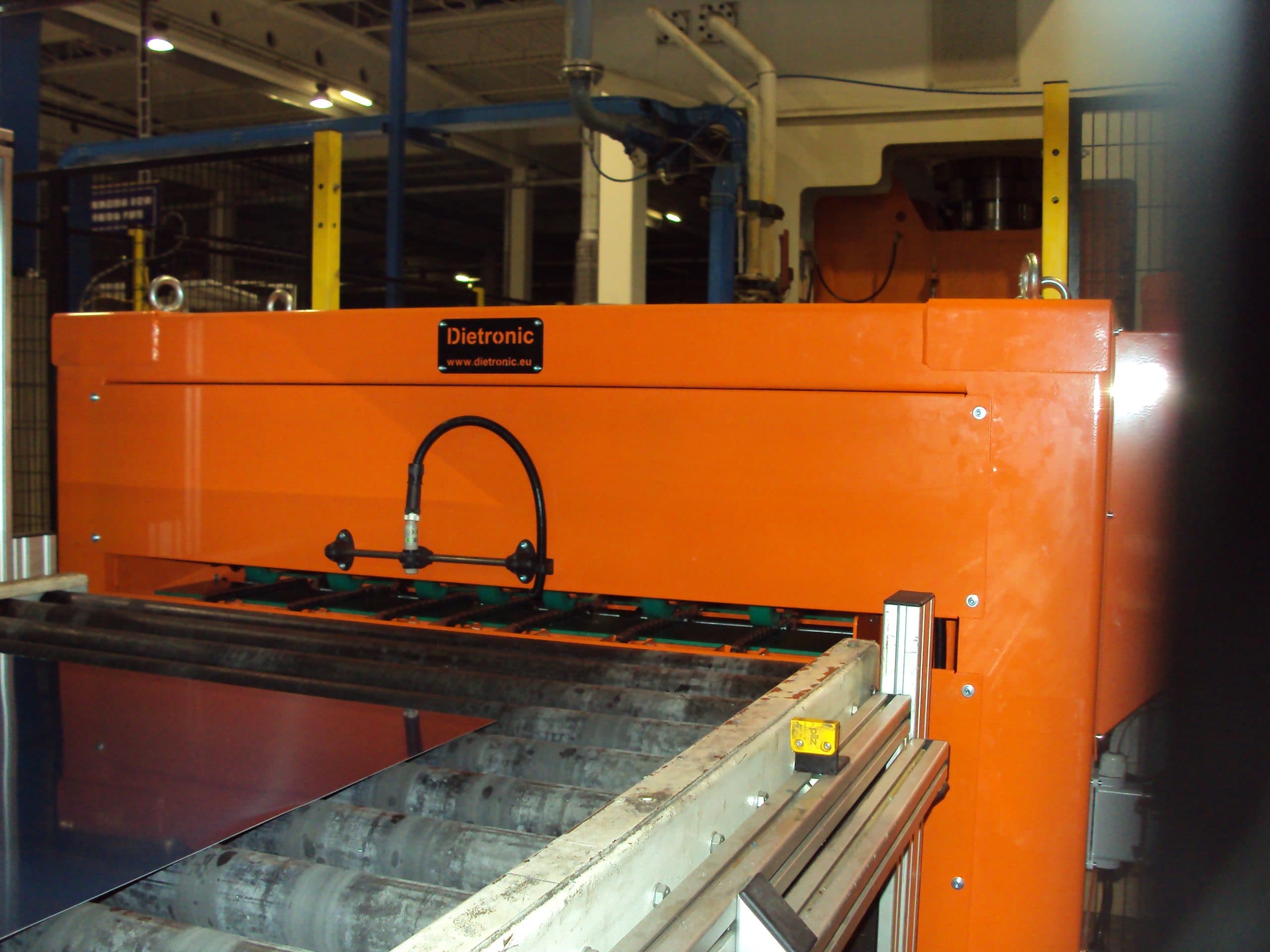
In high-intensity sectors such as automotive or home appliance manufacturing, every component of the stamping line contributes to …
Read more →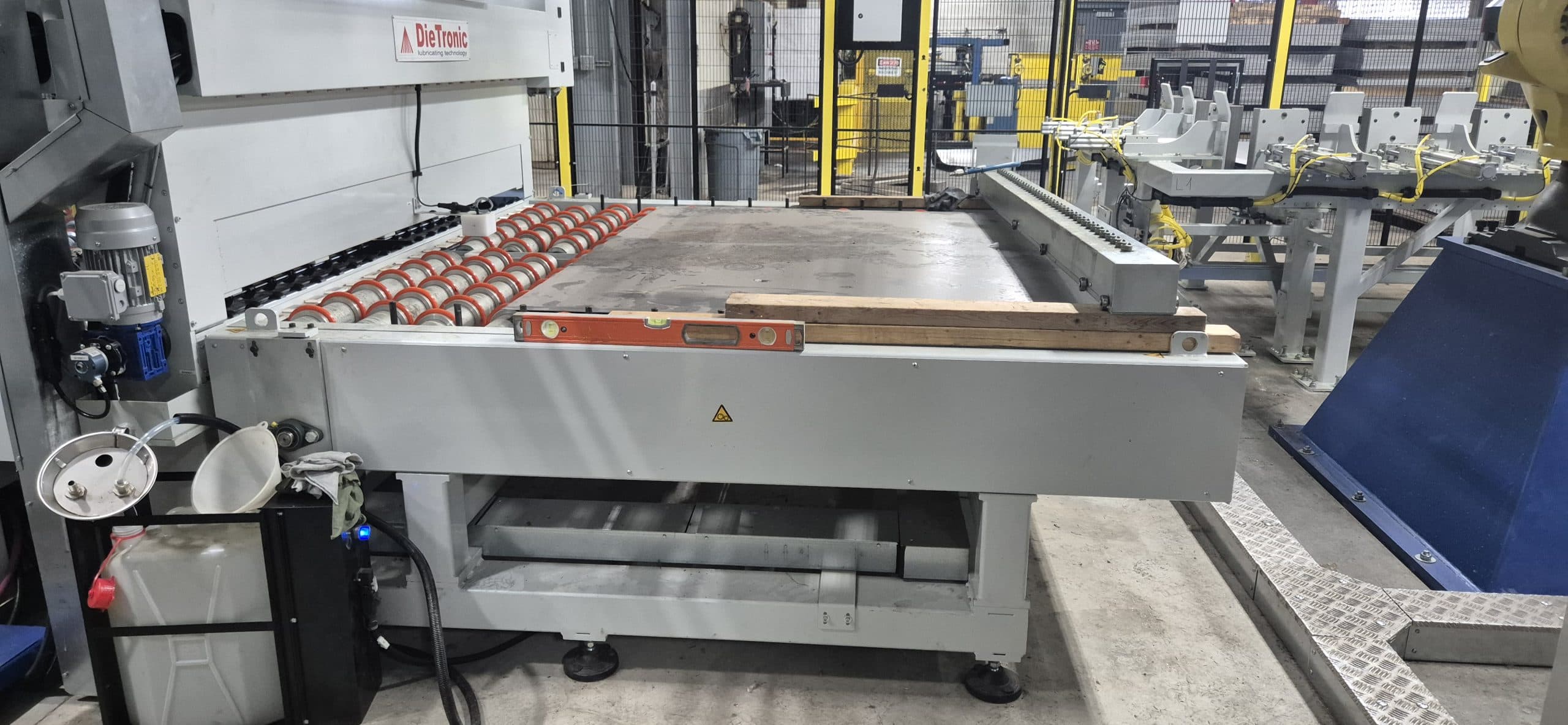
In automotive manufacturing, product quality and process repeatability depend on the efficiency of production lines. Every stage—f…
Read more →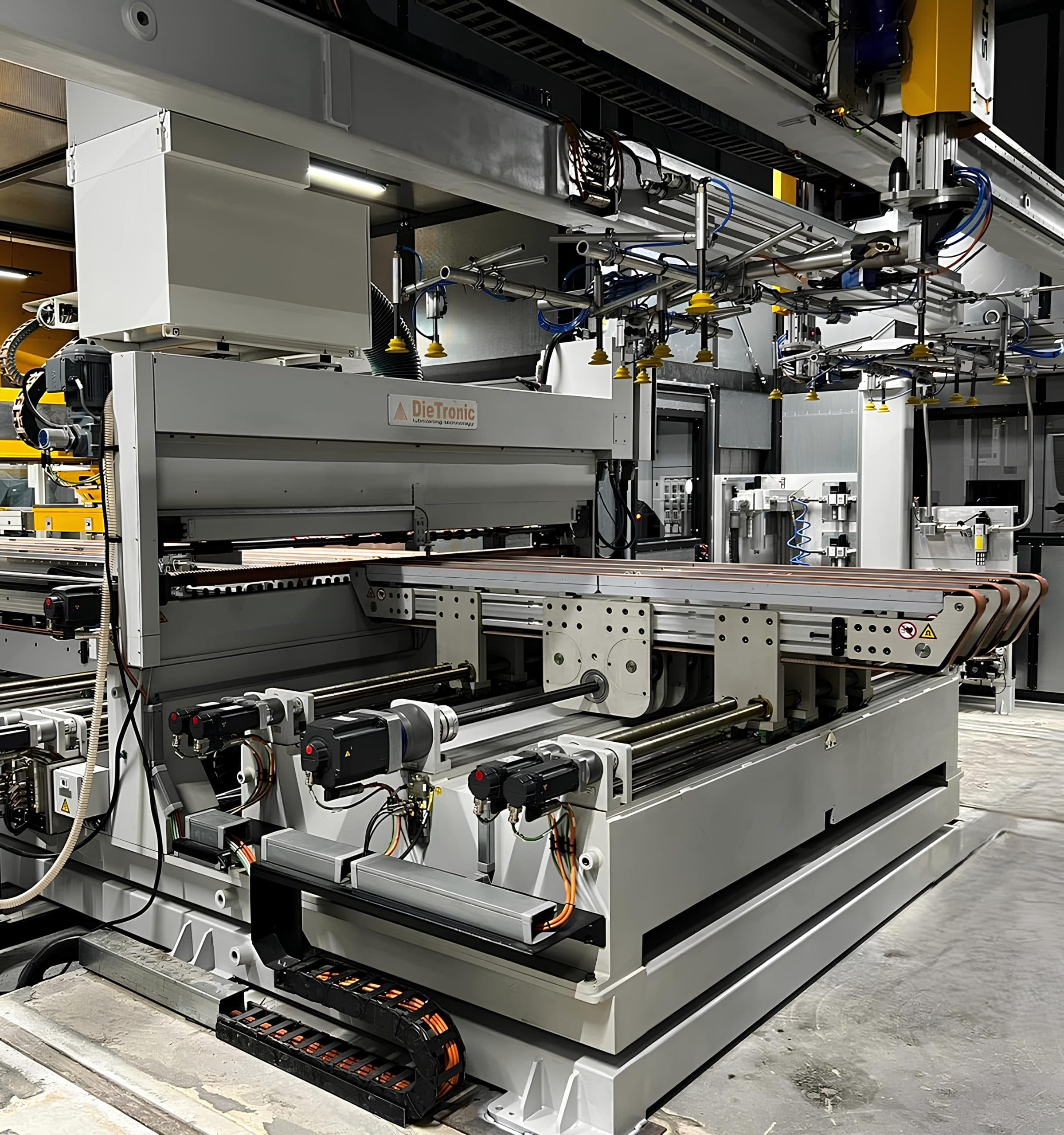
Lubrication of mechanical presses is a crucial factor to ensure production continuity, final product quality, and plant longevity.…
Read more →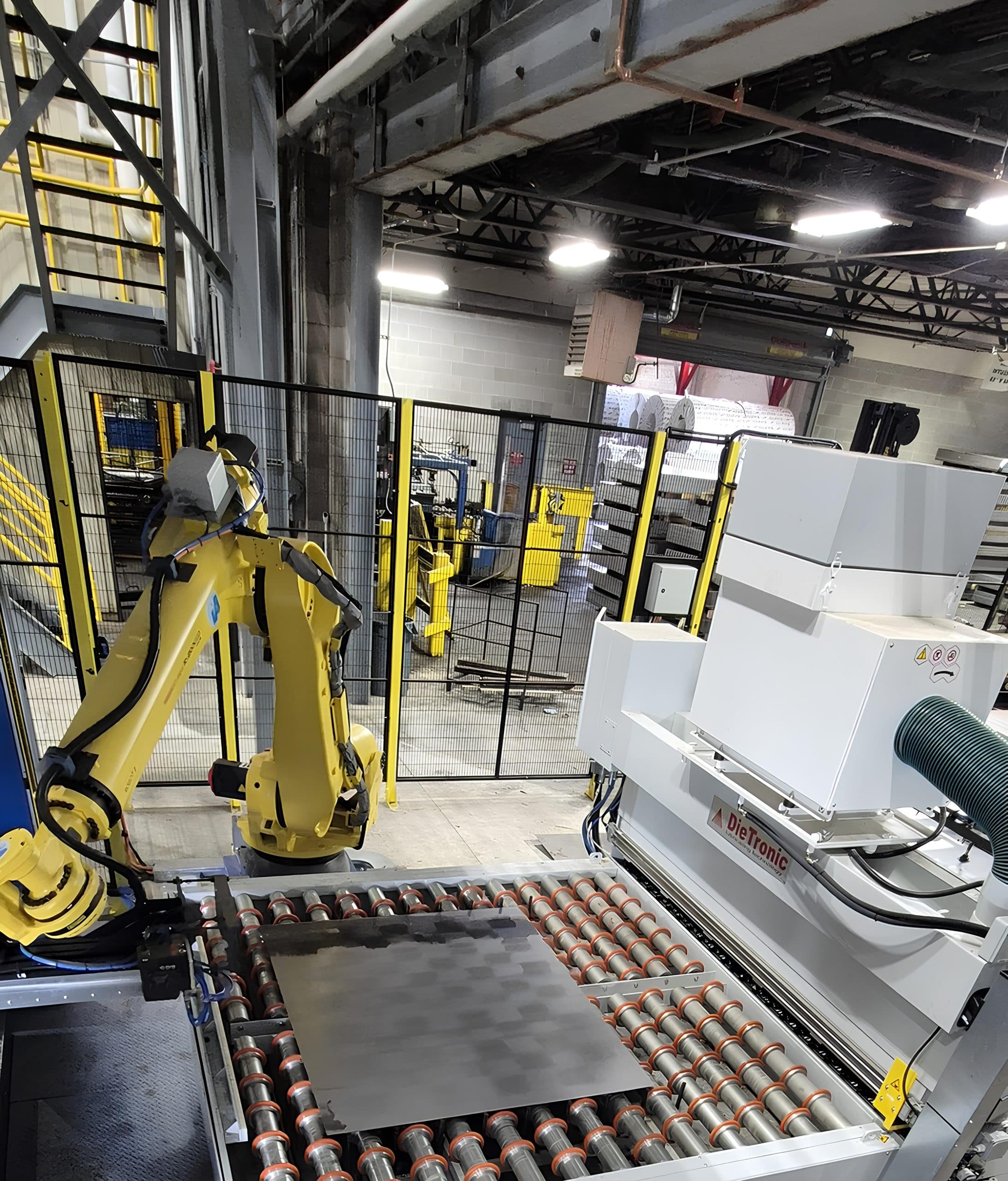
Production speed remains a crucial competitive factor today. However, the pursuit of ever-higher performance risks compromising ma…
Read more →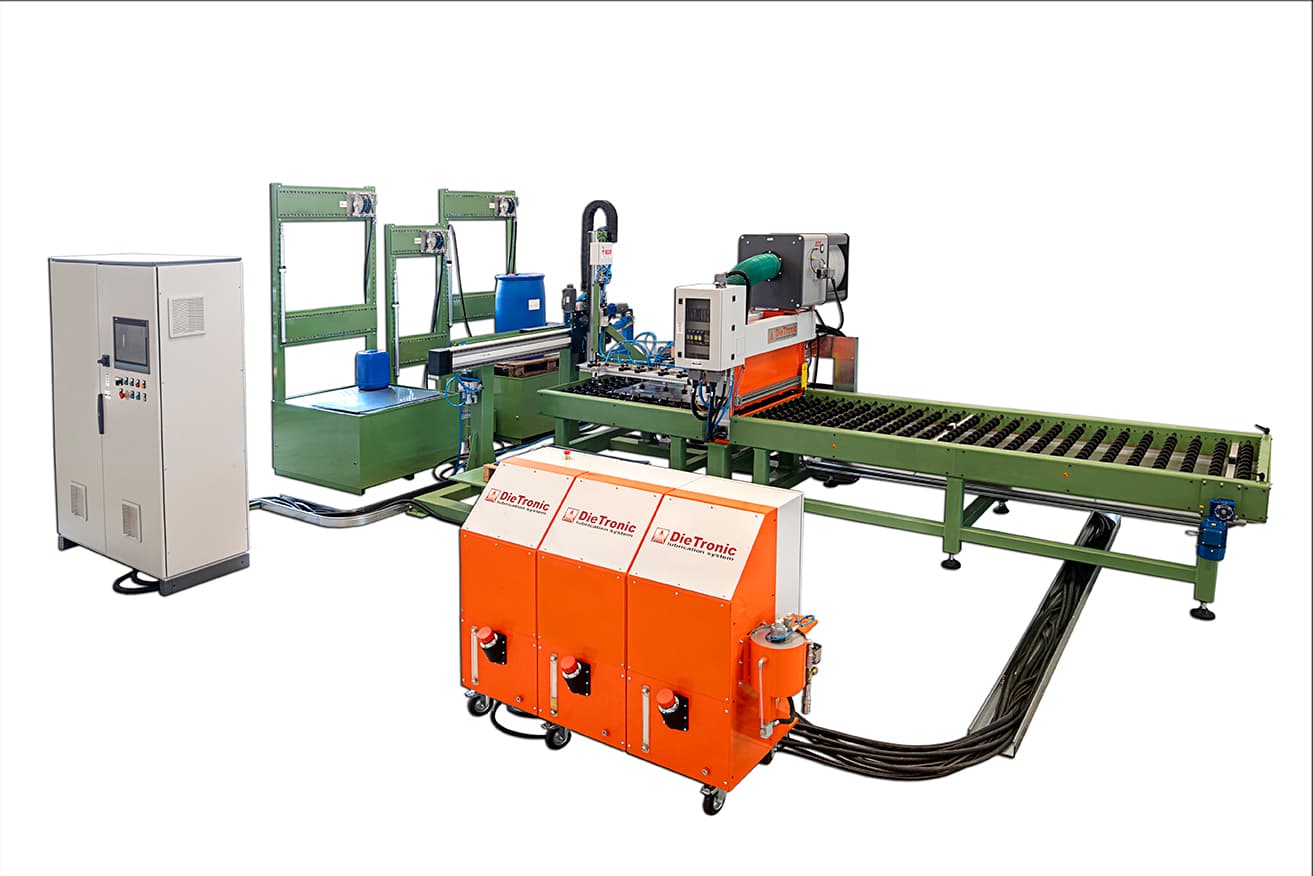
When every decision must meet efficiency, sustainability, and profitability criteria, the issue of production scrap becomes a stra…
Read more →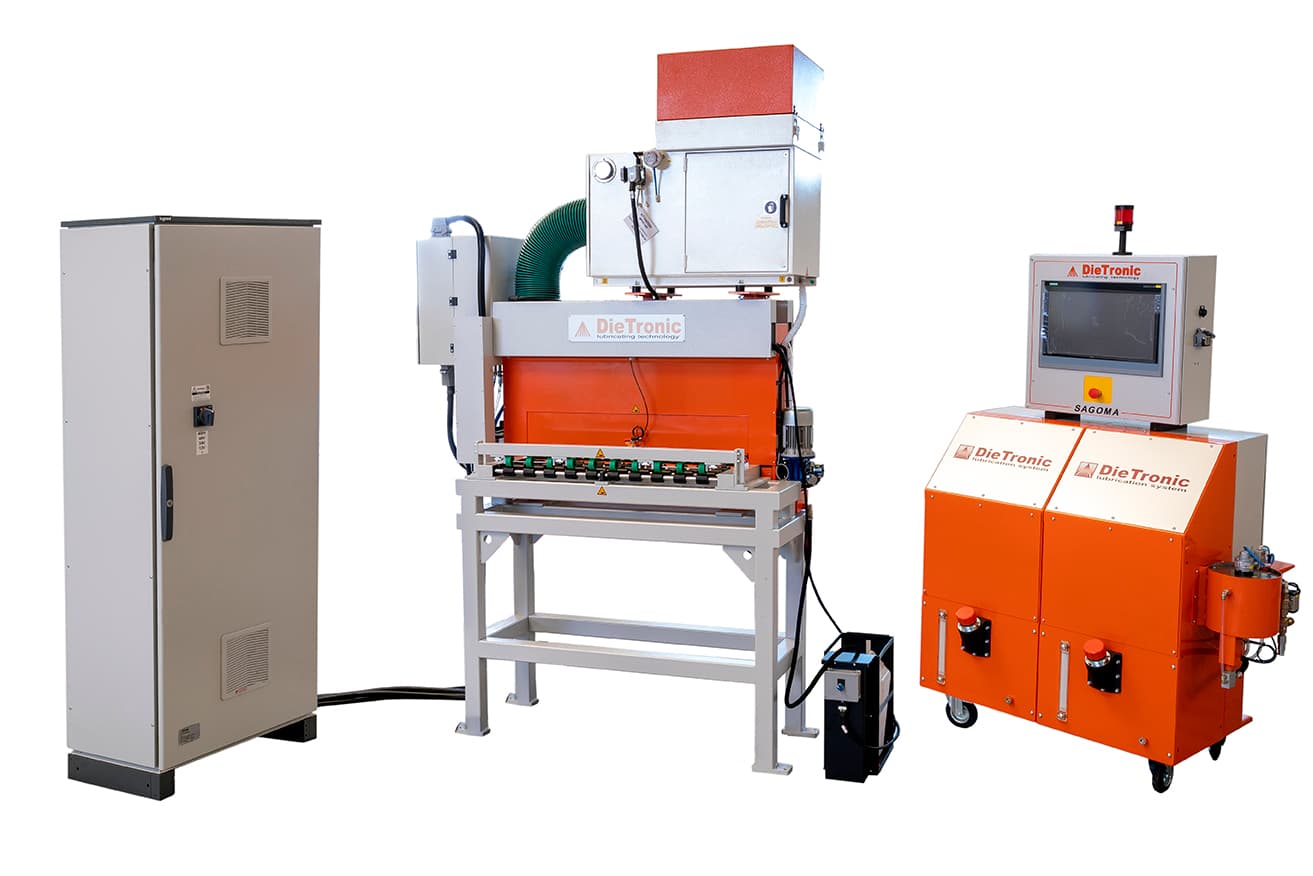
In a production line, every detail matters: from the configuration of the press to the choice of tools and the management of consu…
Read more →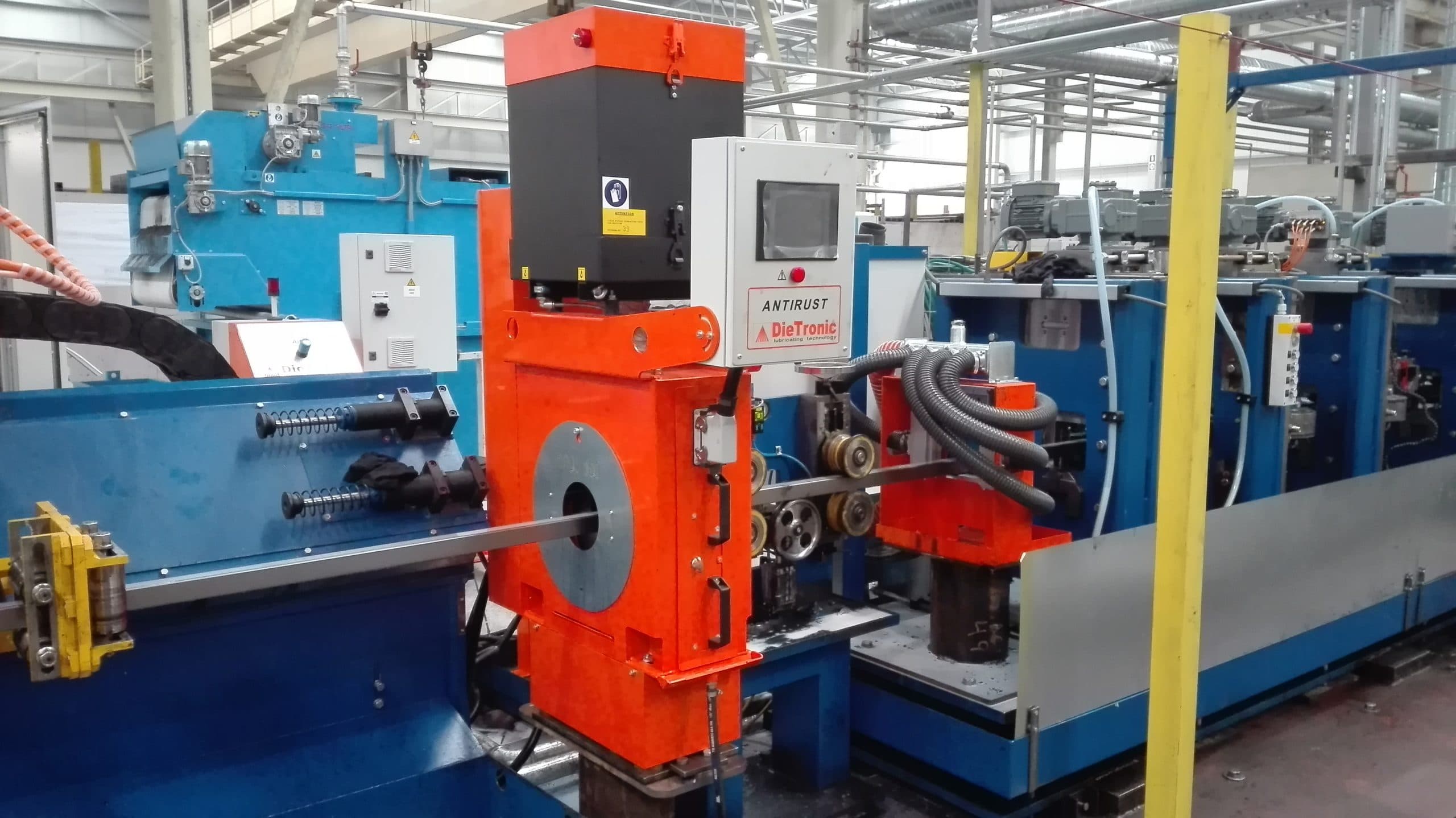
Pipe corrosion is one of the most critical challenges for those working in metal production and processing. Steel pipes and profil…
Read more →
Industrial lubricants are a key factor in ensuring efficiency and longevity in the most critical production processes. Choosing th…
Read more →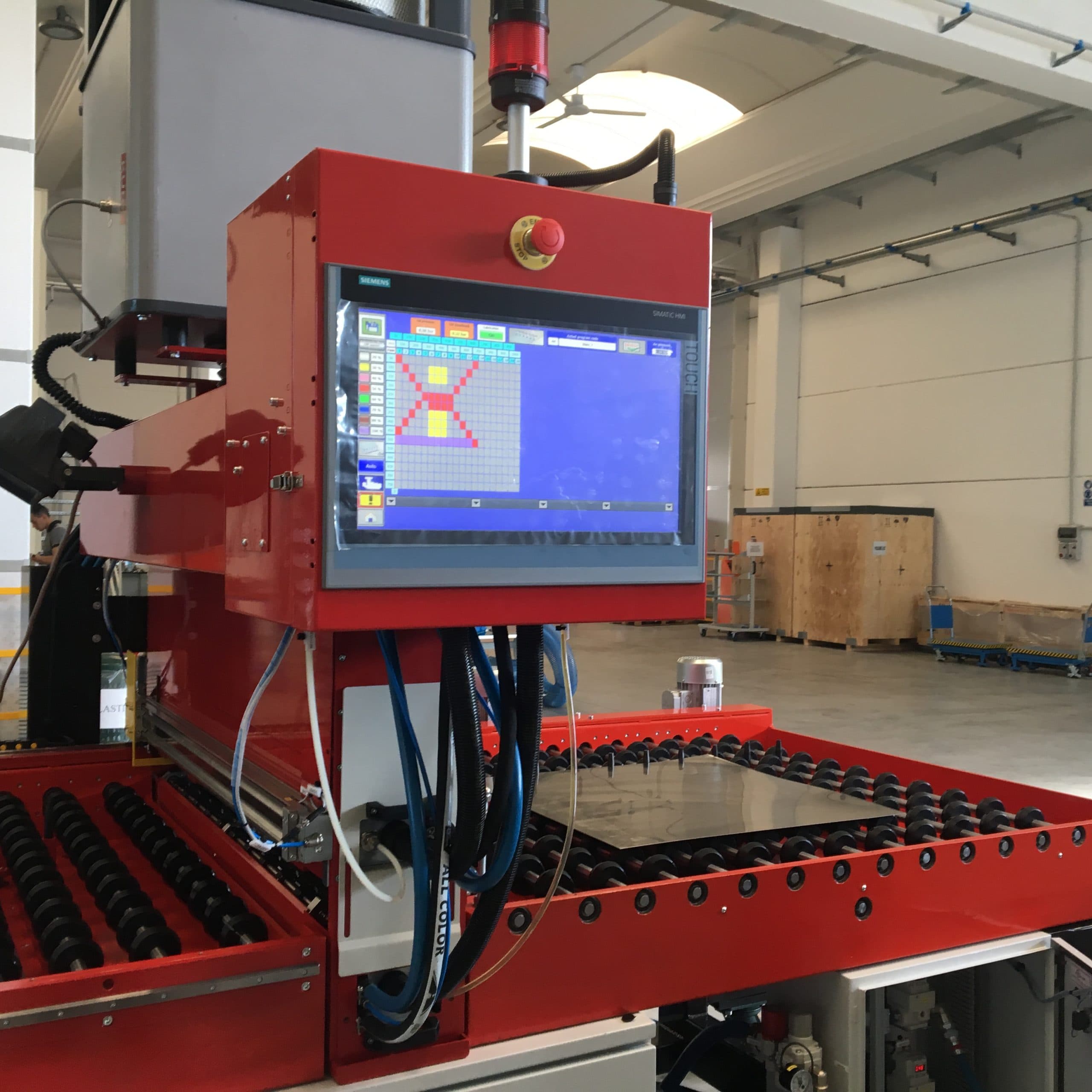
In metal stamping and forming processes, friction points and sliding joints require a consistent and precise supply of lubricant d…
Read more →