
Automatic Lubrication Systems: Efficiency and Control in Industry
18 June 2025
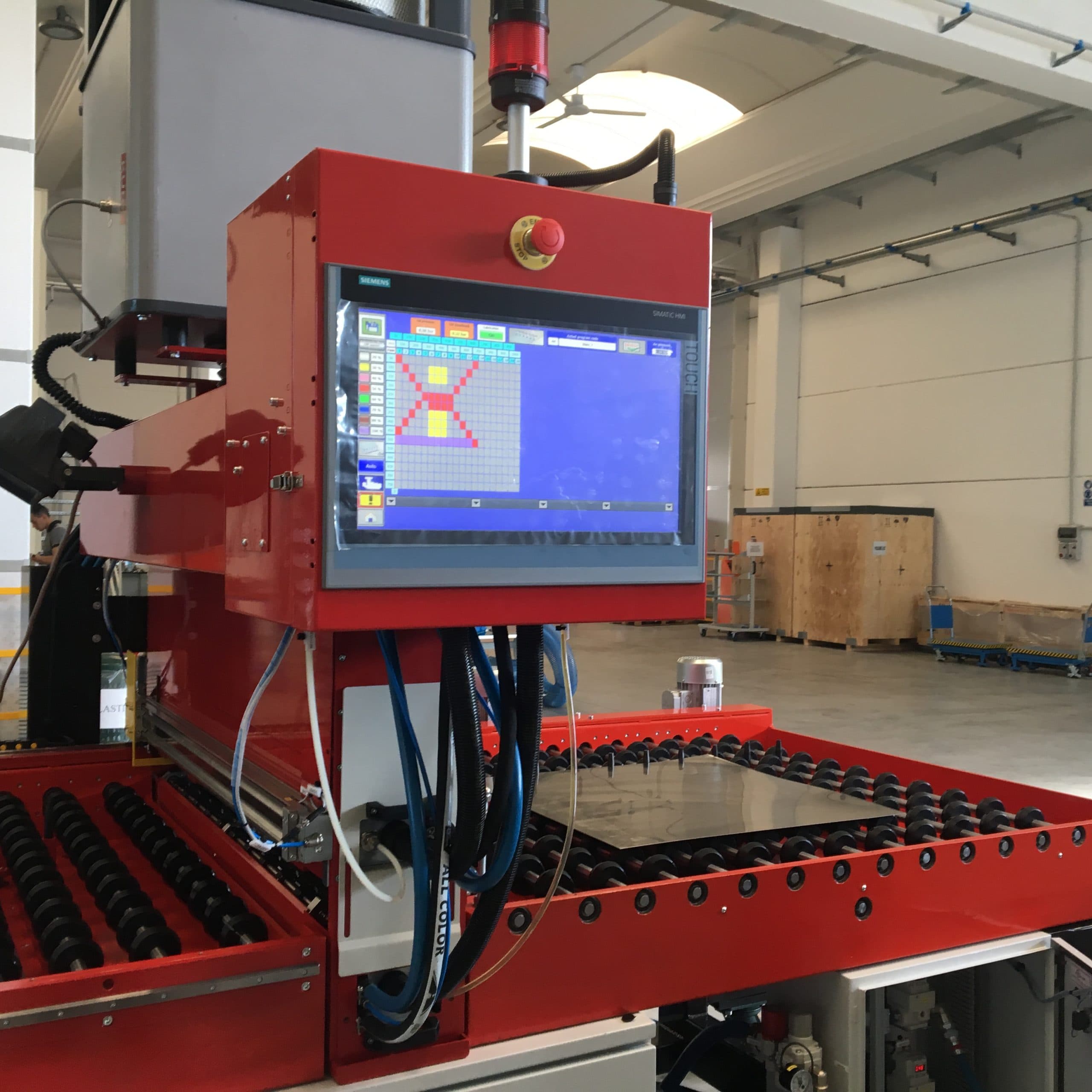
In metal stamping and forming processes, friction points and sliding joints require a consistent and precise supply of lubricant during operation. Traditionally managed manually or with rollers, lubrication often faces significant limitations. In this context, automatic lubrication systems emerge as a strategic solution for manufacturing companies. By automating the entire process, these systems support calibrated dosing, programmable cycles, continuous monitoring and operational flexibility. The progressive digitization of production also allows integration into predictive maintenance strategies, enabling more advanced control.
Why adopt automatic lubrication systems
Automatic lubrication systems represent a turning point for efficiency and reliability in mechanical production lines, especially in metal forming and stamping sectors. Unlike manual lubrication (typically performed with spray guns, rollers/grease guns) which relies on human discretion, these systems ensure that the exact amount of lubricant is delivered to critical points at the right time.
Precision and repeatability are among their main advantages. They help avoid over-lubrication, which causes waste and residue on floors and equipment, as well as under-lubrication, which leads to premature wear and unexpected breakdowns. This results in longer machine lifespan, lower maintenance costs and a cleaner working environment.
From a financial perspective, automatic lubrication systems provide significant savings:
- Reduced machine downtime
- Fewer manual interventions
- Optimized lubricant consumption
At the same time, they reduce oil mist emissions and accidental spills, improving operator safety and minimizing environmental impact.
Quick overview: Dietronic’s Sagoma unit
Among available automatic lubrication systems, Dietronic’s Sagoma unit stands out for its targeted application. Designed for metal stamping, Sagoma delivers oil in specific 50×50 mm areas, with up to eight different dosing levels per zone, ensuring precise lubrication only where and when it’s needed. A touchscreen interface makes lubrication management simple and repeatable, with full control over pressure, quantity, and temperature.
Sagoma also features an integrated oil mist extraction system, keeping the work environment clean and preventing oil residues on machines and floors. Removable heads simplify maintenance, while the modular design makes it suitable for a wide range of industrial applications.
With over 150 Sagoma units installed worldwide, Dietronic demonstrates how this solution enhances product quality, cost-efficiency, and environmental sustainability. It’s a tangible example of how automatic lubrication systems can be integrated into modern processes, reducing consumption and downtime while increasing productivity — all without compromising cleanliness or safety.
Automatic lubrication systems: a strategic choice for the future
Looking ahead, adopting automatic lubrication systems is a strategic step forward. These solutions support continuous monitoring, consumption analysis, predictive maintenance, and compliance with safety and environmental standards. It’s more than a technological upgrade — it’s a paradigm shift in how the entire production cycle is managed.
Initial investments in these systems often yield fast returns: fewer unexpected failures, greater machine reliability and reduced need for manual oversight. This enables companies to cut operating costs while increasing competitiveness in markets that demand higher quality and faster delivery.
For all these reasons, they today represent a smart and forward-looking decision, driving industrial growth toward higher standards of efficiency, safety and environmental responsibility.