
Reducing Production Scrap: A Real Case of Effective Strategies and Tangible Savings
20 August 2025
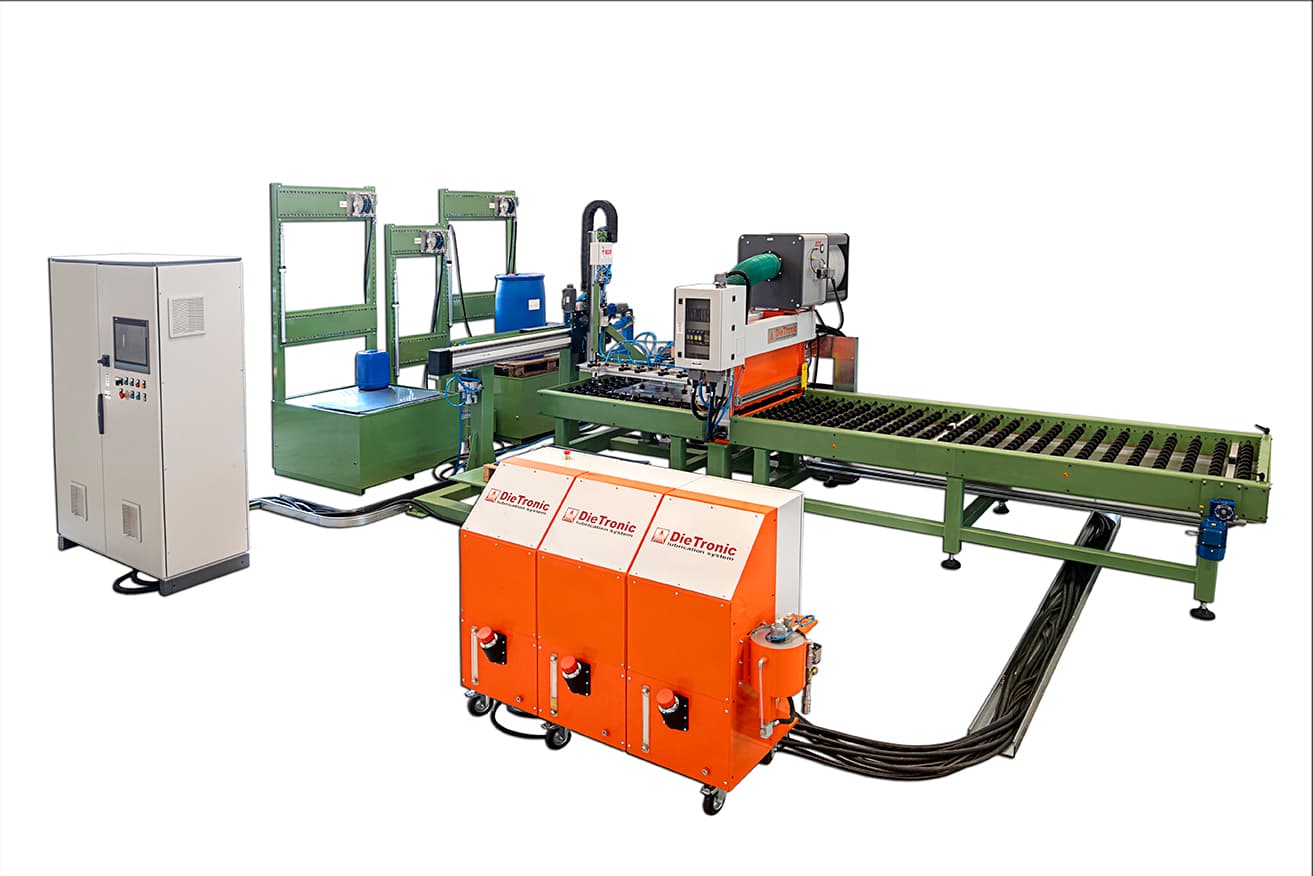
When every decision must meet efficiency, sustainability, and profitability criteria, the issue of production scrap becomes a strategic challenge. It’s no longer just about cutting costs or improving product quality: scrap is a key indicator of the health of a production process. In a world where raw materials are more expensive, environmental regulations stricter, and customer demands increasingly specific, every scrapped part is a red flag. It signals a production line that needs to be rethought.
Today’s most forward-thinking companies don’t just calculate scrap at the end of the month: they monitor it in real time, categorize it, and use it as a lever to optimize the entire production process.
Less Waste, More Efficiency: A Concrete Example
Production scrap remains one of the most significant sources of financial loss. An analysis conducted on a press line operating one shift, five days a week, revealed an alarming figure: out of a total annual cost of €244,038 with over 95% due to production scrap! We’re talking about 46,656 rejected parts in a single year, with an average cost per part of €5. That’s more than €233,000 wasted every year on products that fail quality control.
But the loss is not just financial. Every scrapped piece wastes resources—materials, energy, labour hours, and machine time. It’s a true domino effect, where one error ripples through the entire production chain. Ignoring the weight of production scrap risks compromising both the efficiency and the sustainability of the entire industrial process. Tackling the issue at its root—by improving process quality and implementing targeted solutions—is the only way to turn waste into operating margin.
Reducing Production Scrap Through Precision Lubrication
One of the main causes of production scrap is ineffective or excessive lubrication. On many stamping lines, there’s a tendency to over-apply oil, driven by the belief that “more is better.” However, data tells a different story: 2,400 liters of oil are used annually at an average cost of €3/liter, resulting in €7,200 spent per year—often unnecessarily. By adopting precision lubrication systems, oil consumption can be reduced by 80%, delivering a direct saving of €1,440—and more importantly, significantly lowering production defects.
But the benefits go even further. A precise lubrication system also improves die longevity, process stability, and production consistency. This leads to a drastic reduction in scrap: in the case studied, the introduction of precision lubrication reduced scrap by 40%, resulting in annual savings of €139,968. The link between lubrication and product quality is direct, measurable, and—most importantly—replicable on any production line.
From Waste to Strategy: ROI and Industrial Sustainability
Beyond production scrap and oil overuse, there are hidden costs that affect a company’s bottom line. One major factor is downtime: in the case analyzed, 6,072 minutes of machine stoppage were recorded annually—more than 101 hours lost—at a cost of €0.42/minute, totalling €2,550.24. The adoption of automated and precise systems led to a 30% reduction in downtime, translating into annual savings of €1,785.17.
Another critical area is the environmental and cleaning costs, often overlooked: in this case, 2,400 minutes per year were spent managing oil and cleaning equipment, again at a cost of €0.42/minute, totalling €1,008 annually. Thanks to reduced oil usage, cleaning times were cut in half, yielding an additional saving of €504.
In total, switching to a smart lubrication system delivered annual savings of over €143,000, equivalent to more than 58% of the initial operating costs. This makes the investment not just sustainable, but strategically sound. In today’s landscape—where companies must aim for efficiency, sustainability, and fast ROI—any action that reduces scrap and optimizes processes becomes a real competitive advantage.
If you’re looking to cut costs associated with production scrap, explore the full potential of our Sagoma unit. For detailed information or a quote, don’t hesitate to contact us at: sales@dietronic.eu