
Mechanical Presses: How to Optimize Lubrication
17 September 2025
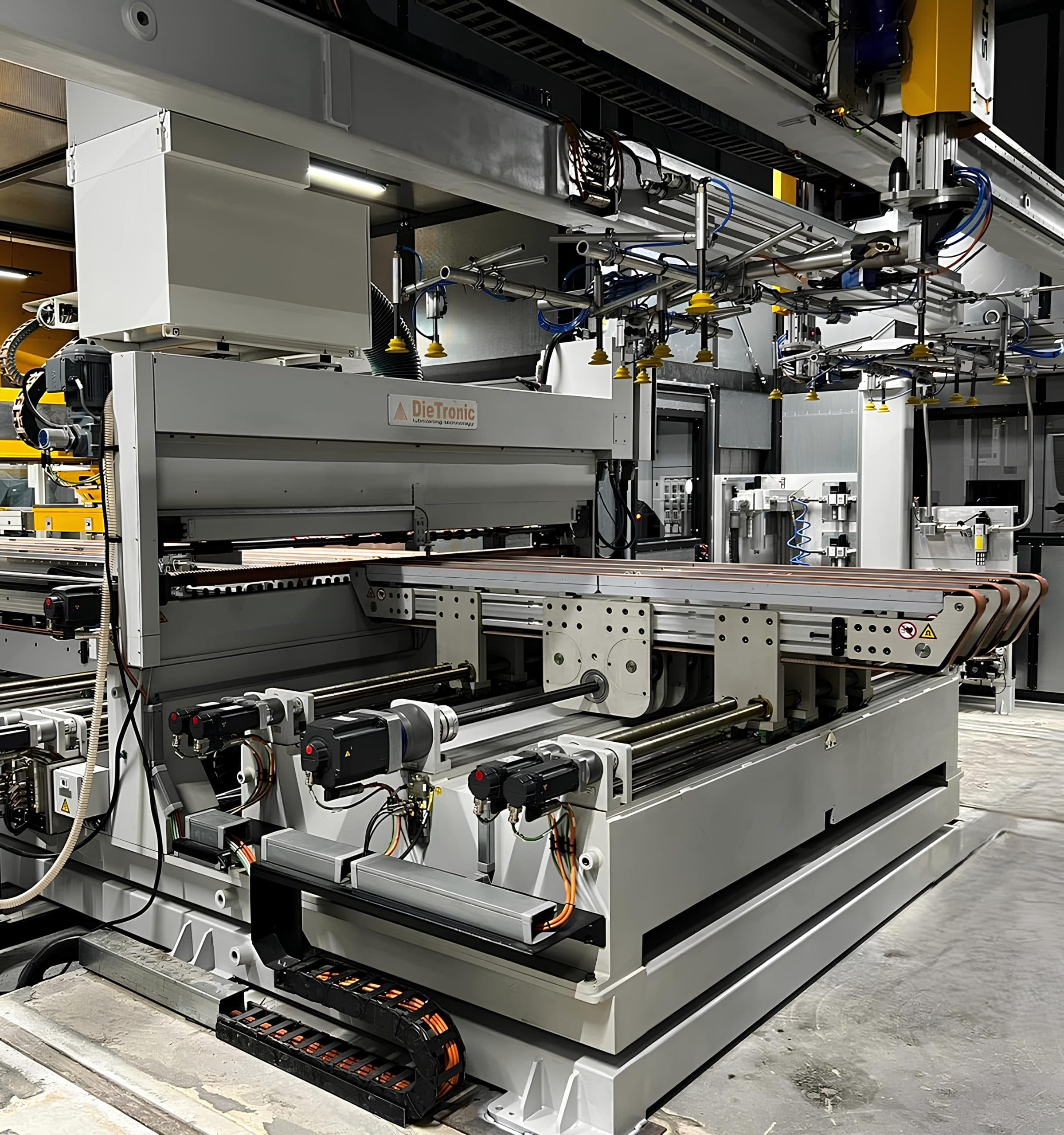
Lubrication of mechanical presses is a crucial factor to ensure production continuity, final product quality, and plant longevity. An effective lubrication system not only reduces friction between metal surfaces but also helps minimize consumption, optimize work cycles, and prevent costly downtime. In an industry where every minute of lost production translates into significant financial impact, understanding how and why to properly lubricate mechanical presses becomes a strategic priority.
The importance of lubrication in mechanical presses
Lubrication is at the heart of mechanical press operation—machines that subject sheets and components to intense, repeated stress without an adequate lubricant film causes friction between metals, generates heat, causes premature wear and compromises processing accuracy. This leads to production waste, reduced tool life, and higher maintenance costs.
Another factor to consider is the continuity of lubricant flow. Irregular or insufficient distribution can create hot spots, irreversibly damaging dies and surfaces. At the same time, excessive uncontrolled oil leads to waste, risk of product contamination, and greater cleaning difficulties.
Lubrication methods: differences and challenges
Over the years, lubrication techniques for mechanical presses have evolved, moving from manual, hard-to-control methods to more precise automated solutions. The most common include:
- Manual lubrication: simple but unreliable, as it depends on the operator’s experience and does not guarantee consistency.
- Roller lubrication: more consistent than manual, but difficult to manage with varying thicknesses or complex shapes.
- Spray lubrication: allows accurate dosing, reduces waste, improves sustainability, and ensures uniform coverage.
Each method has advantages and challenges. Traditional systems often result in high oil consumption and limited real-time control. By contrast, spray lubrication stands out for precision and flexibility: it allows adjustment of lubricant quantity, activation of specific nozzles, and adaptation of flow to production cycle needs.
Another benefit of spray systems is the reduction of environmental impact and operating costs: less oil means less waste to dispose of and lower operator exposure to chemicals. For this reason, more and more companies are considering transitioning to micro-dosing and controlled atomization systems that combine efficiency with sustainability.
Modern solutions for mechanical press lubrication
Today’s challenge is not just to lubricate, but to do it smartly. Automatic lubrication systems provide a concrete response to the quality and competitiveness needs of modern industry. With electronic control, these systems allow programming of lubricant quantity, frequency, and distribution with extreme precision.
Among the most advanced solutions are spray systems developed by Dietronic, a company specializing in lubrication for forming and stamping processes. For instance, the Sagoma unit enables targeted and adjustable spraying, adapting to different sheet geometries and saving up to 70% of oil compared to traditional systems. This translates into less maintenance, reduced waste, and improved finished product quality. Furthermore, integration with monitoring systems allows useful data collection for optimizing preventive maintenance and planning targeted interventions.
For those managing mechanical stamping lines, adopting innovative solutions such as the Sagoma unit represents a decisive step toward a more efficient and competitive industrial process.
For detailed information or a direct quote, feel free to contact us at sales@dietronic.eu