
Industrial Lubricants: A Comprehensive Guide to the Right Solution for Every Need
30 June 2025
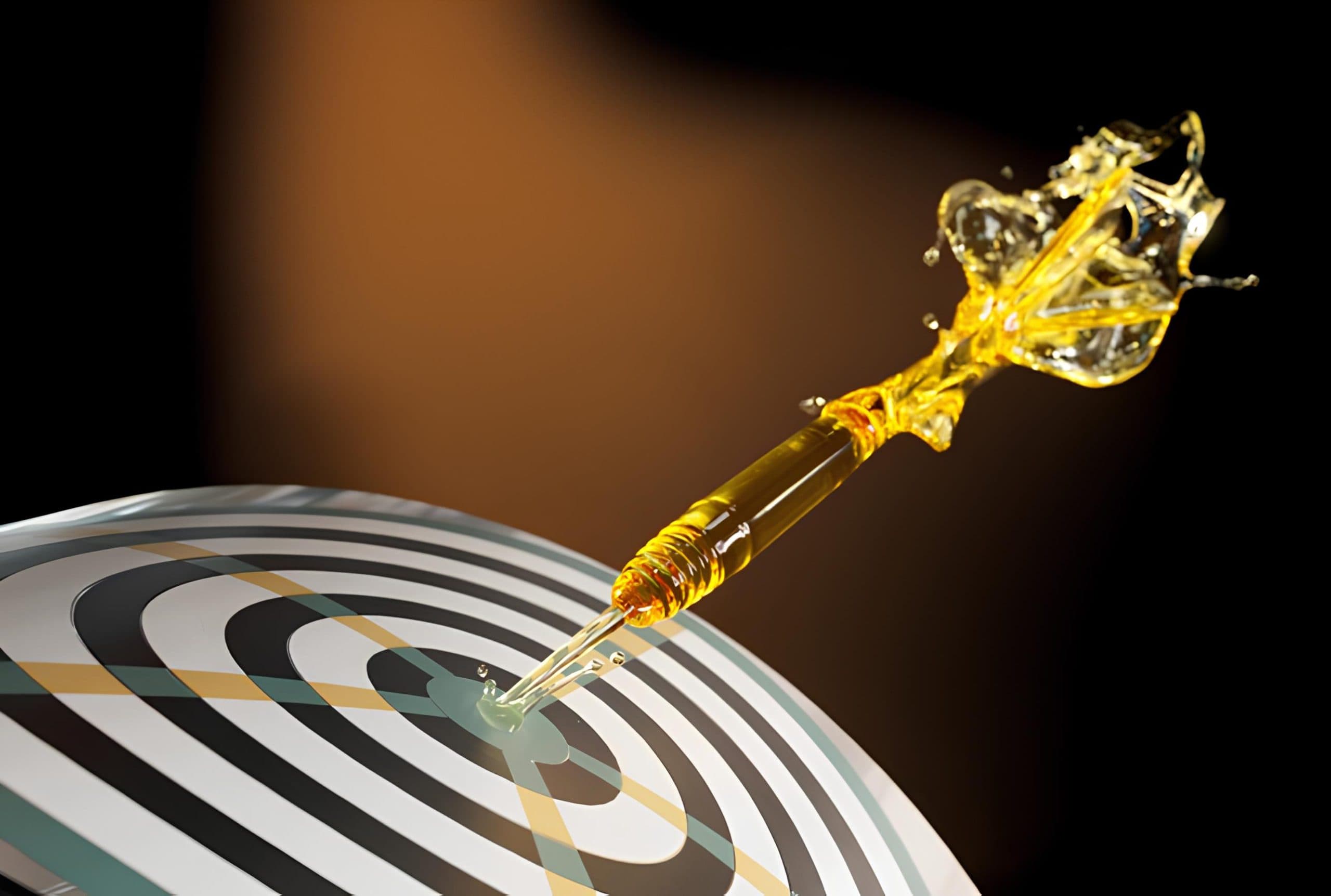
Industrial lubricants are a key factor in ensuring efficiency and longevity in the most critical production processes. Choosing the right lubricant can make the difference between optimal performance and costly downtime, directly impacting the final product’s quality and overall operating costs.
Mineral-Based Industrial Lubricants: The Traditional Choice
Mineral-based industrial lubricants remain the most widely used category in the metal forming industry due to their cost-effectiveness and broad applicability. These products are derived from crude oil through distillation and purification processes that yield base oils with properties tailored to various industrial uses. They offer excellent benefits:
- Outstanding lubricating performance
- Effective protection against wear
- Good electrical conductivity characteristics
However, they present significant limitations in applications involving substantial temperature fluctuations. When exposed to high temperatures, their performance deteriorates due to limited thermal resistance, potentially compromising the production process. At low temperatures, their performance also drops significantly, often requiring auxiliary heating systems. Furthermore, being petroleum-based, they have a higher environmental impact in terms of carbon footprint and biodegradability—increasingly important factors in modern business strategies.
Synthetic Lubricants: High Performance for Critical Applications
Synthetic industrial lubricants are chemically engineered products with molecules specifically designed to meet the demanding needs of the metal forming industry. These lubricants offer:
- High performance even at extreme temperatures
- Stable viscosity
- Strong resistance to oxidation processes
Such features make them the ideal choice for applications that demand reliability in severe operating conditions, where performance stability is critical to maintain quality standards and production continuity.
However, this superior performance comes with a higher cost: synthetic lubricants are significantly more expensive than mineral-based options. For many companies, the decision must balance the initial investment with the long-term advantages—less frequent replacements, higher operational reliability, and improved product quality—making them especially attractive for critical applications where production downtime costs would far outweigh the price difference.
Biodegradable Industrial Lubricants: Environmental Sustainability
Formulated mainly from plant- or seed-based oils, biodegradable lubricants offer a real response to the industrial sector’s growing sustainability demands. These lubricants provide the same core functions as traditional ones and are used in transmissions, gears, and bearings. They are especially suitable for industries like food processing and cosmetics, thanks to several key advantages:
- Good resistance to production processes
- Effective reduction of friction and mechanical wear
- Very low toxicity levels
Their main limitation lies in their thermal behavior. These lubricants show reduced stability at extreme temperatures—both high heat and freezing cold. This thermal sensitivity can affect performance in processes that require high-temperature resistance, restricting their use to applications with moderate temperature ranges. Additionally, the organic nature of their raw materials can result in quality variability and necessitates careful storage to prevent degradation.
Seamless Integration of Technology and Industrial Lubricants
Choosing the right lubricant is only part of the equation in optimizing metal forming processes. Equally important is the use of lubrication systems that ensure precise, uniform, and controlled application of the selected industrial lubricants.
Dietronic stands out in the industry for delivering integrated solutions that optimize the interaction between lubricant and application system. Our lubrication systems are engineered to handle all types of lubricants mentioned above—from low-viscosity misting for high-speed operations to the precise application of high-viscosity lubricants used in heavy stamping processes.
Dietronic technology enables precise control of essential parameters such as spray pressure, lubricant flow rate, and application timing—factors that directly impact lubrication efficiency and final product quality. Additionally, our systems can include lubricant recovery and recirculation features, significantly reducing both operational costs and environmental impact, making this investment a strategic choice for your company’s future.
For more information about these products, please refer to our Promax unit or contact us at: sales@dietronic.eu