
Industrial Lubrication and Mold Wear Prevention
30 October 2025
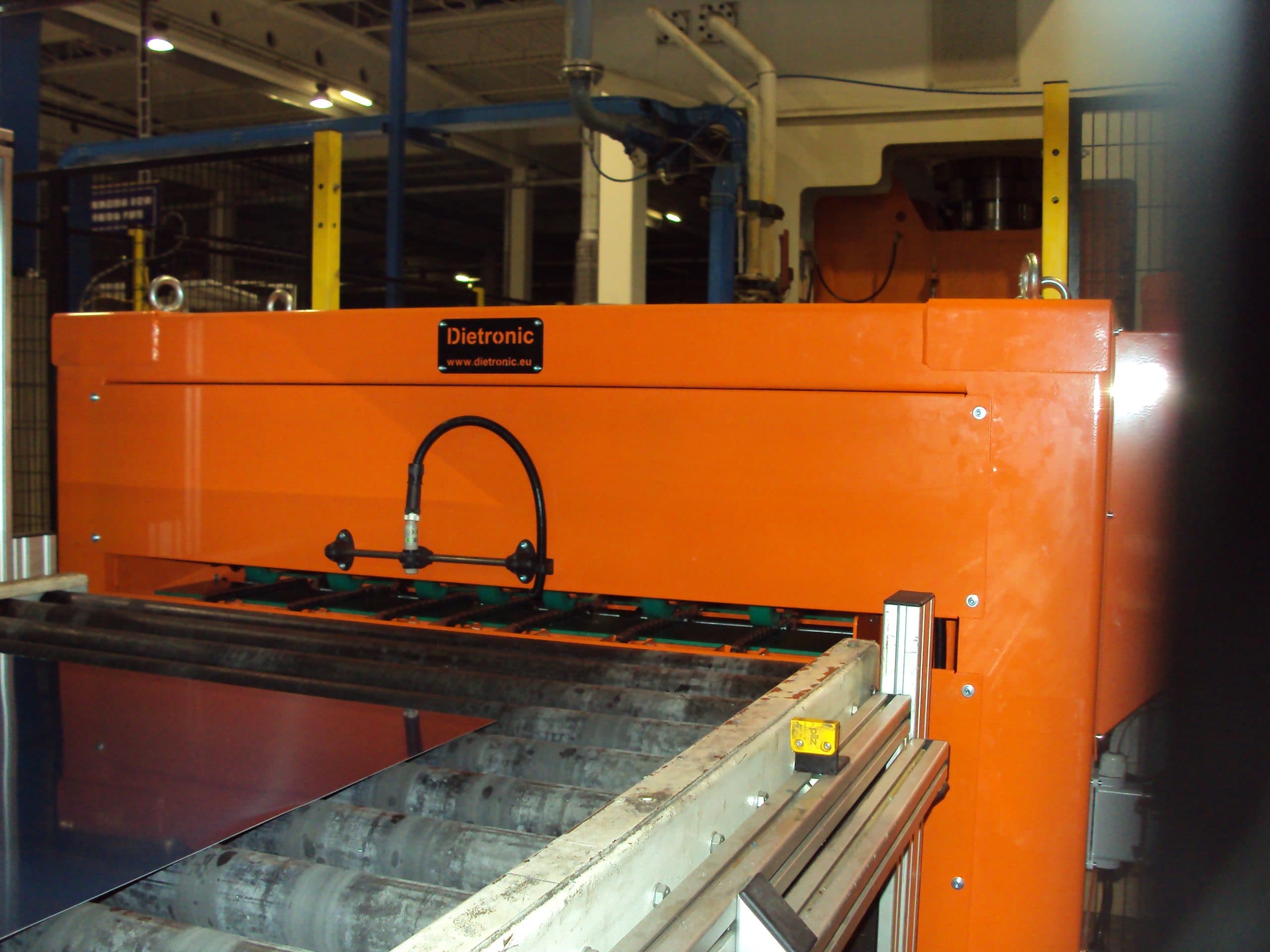
In high-intensity sectors such as automotive or home appliance manufacturing, every component of the stamping line contributes to process stability. Among these, the mold plays a crucial role: its efficiency determines both the quality of the finished part and the consistency of production cycles.
Investing in mold wear prevention doesn’t just reduce extraordinary maintenance—it also extends tool life and keeps operating costs under control. From this perspective, industrial lubrication stands out as one of the most effective solutions to protect molds, improve productivity, and maintain high-quality standards over time.
Mold Wear Prevention in Forming Processes
Mold wear is a natural phenomenon, but it can be managed and slowed down through proper design and maintenance. In forming and stamping processes, the main factors that limit mold life are friction, mechanical pressure, and overheating caused by continuous contact between the sheet and the mold surface.
When the protective film is insufficient or uneven, the surface deteriorates quickly: micro-scratches, material adhesion, and deformations progressively alter the mold geometry, compromising the quality of the final product.
Effective mold wear prevention relies on precise management of surface contact. Controlled lubrication reduces the friction coefficient, ensures proper material flow, and limits heat buildup. This creates a double advantage with positive effects on downtime, costs, and productivity:
- Greater process repeatability
- A significant increase in mold lifespan
Lubrication and Control: Reducing Friction and Thermal Stress
In modern stamping systems, the quality of the lubricant film is critical for both mold longevity and final precision. Insufficient lubrication exposes the surface to direct contact with the sheet, causing micro-cracks and localized damage. Conversely, excessive lubrication can affect line cleanliness, lead to waste, and interfere with material handling in later stages.
The difference between traditional and automated lubrication lies in control: while manual methods cannot ensure uniformity, electronic spraying systems allow precise and repeatable oil dosing—even on specific areas of the sheet.
This approach creates a uniform and consistent film that reduces thermal and mechanical stress on the mold. Moreover, targeted lubrication optimizes oil consumption and improves process cleanliness—key requirements in automotive and appliance sectors, where both aesthetic and functional quality are essential.
Technological solutions for mold wear prevention
Modern industrial lubrication technologies now offer advanced control over all critical process parameters:
- Flow rate
- Pressure
- Quantity
- Oil distribution
In this context, Dietronic solutions are a benchmark for companies looking to integrate wear prevention directly into their production cycle.
For instance, the Sagoma unit enables selective and precise oil spraying on specific sheet areas, minimizing waste and ensuring consistent application even with complex geometries. The electronic control of oil delivery guarantees absolute repeatability, reducing process variability and improving mold protection over time.
Furthermore, Dietronic systems can be integrated into automatic stamping lines, adapting to high production rates. This synergy between lubrication technology and automation helps maintain high productivity while reducing maintenance costs and machine downtime.
Technology and Expertise Serving the Industry
As production processes evolve, there is growing focus on operational sustainability and efficient resource management. In stamping, mold wear prevention stands as a pillar of this vision: preserving tools means ensuring continuity, reducing waste, and improving overall product quality.
With extensive experience in industrial lubrication, Dietronic supports companies on their path toward more reliable, cleaner, and longer-lasting processes. An approach that combines technology and expertise, strengthening the competitiveness of production lines for automotive, home appliance and other industries.
If you’d like to learn more about these lubrication systems, take a look at our Sagoma unit.
For detailed information or a quotation, don’t hesitate to contact us at sales@dietronic.eu