
The Future of Lubrication Technologies: Innovation and Sustainability
15 January 2025
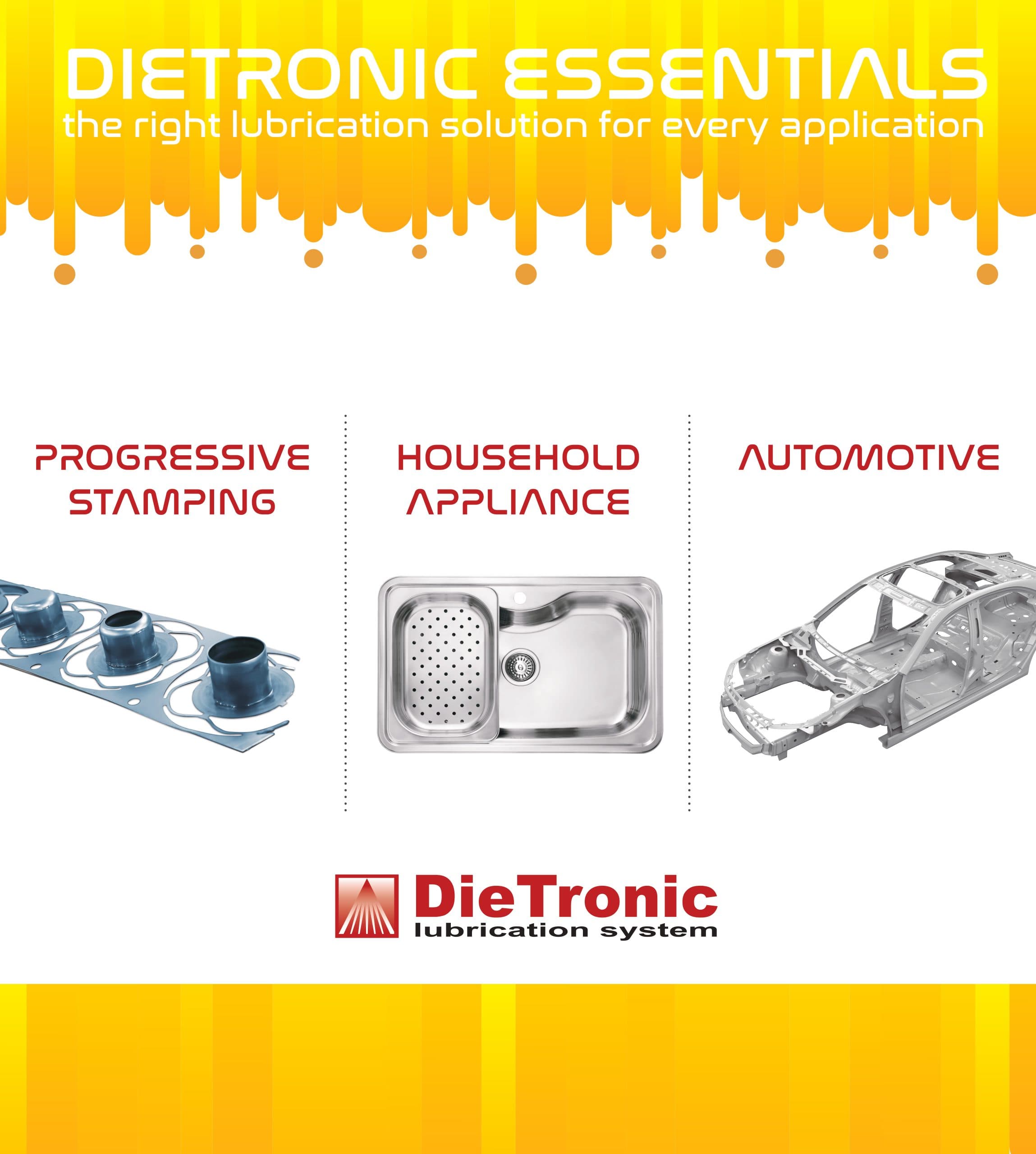
In today’s industrial landscape, metalworking is undergoing a transformative phase, driven by technological innovation and the growing demand for efficiency, sustainability, and precision. Lubrication technologies play a critical role in this process, ensuring seamless production operations, reduced energy consumption, and minimized machine wear. Backed by solid expertise, Dietronic positions itself as a leader in innovation, developing advanced lubrication systems to address the sector’s modern challenges.
The Evolution of Lubrication Technologies
Over the past decades, the metalworking sector has undergone significant transformations, with lubrication technologies playing a key role in this evolution. The increasing demand for precision, efficiency, and sustainability has driven companies to seek innovative solutions to address production and environmental challenges. In this context, lubrication systems have transitioned from simple support tools to strategic components of the production process, essential for optimizing machine performance and improving the quality of finished products.
One of the most notable developments has been the introduction of high-performance lubricants designed to reduce friction and wear between mechanical components during operations. These not only extend the lifespan of equipment but also reduce downtime and maintenance costs. Moreover, the use of advanced chemical additives has enhanced thermal properties and reduced lubricant degradation, thereby improving overall process efficiency.
Simultaneously, the automation of lubrication systems has revolutionized the industry. Many companies now adopt technologies that enable precise and targeted lubricant distribution, automatically adjusting the amount dispensed according to the specific needs of the process. This approach ensures uniform distribution and minimizes waste, delivering tangible economic and environmental benefits.
The integration of real-time monitoring systems has further opened new opportunities for controlling and optimizing lubrication processes. By utilizing intelligent sensors and software, companies can collect detailed data on operating conditions and promptly intervene in case of anomalies. This ability to prevent problems and optimize performance not only boosts productivity but also extends the lifespan of both machinery and lubricants.
Dietronic’s Role in Lubrication Technology Innovation
Dietronic has always been at the forefront of lubrication technologies for metalworking. Through a research- and development-oriented approach, the company has designed lubrication systems that not only meet today’s needs but also anticipate future market demands.
Focusing on innovation, Dietronic has significantly invested in developing technologies that combine precision, sustainability, and efficiency. The company’s lubrication systems are designed to ensure uniform and controlled lubricant distribution, reducing waste and optimizing consumption. This not only improves production performance but also translates into economic savings for companies and a reduced environmental impact. For instance, Dietronic’s centralized lubrication systems are ideal solutions for complex production lines, managing multiple application points with centralized, highly efficient control.
Thanks to the integration of smart sensors and advanced software, customers can also monitor their lubrication systems’ operating conditions in real-time. This proactive approach allows for the timely detection of anomalies, prevention of malfunctions, and continuous process optimization. The ability to analyze collected data and adapt operations to specific needs provides a significant competitive advantage for companies aiming for operational excellence.
Future Trends in Lubrication Technologies
Looking ahead, it is clear that lubrication technologies in metalworking will continue evolving to meet the needs of an increasingly demanding market. Manufacturers that quickly adopt these new trends and innovations can strategically position themselves to successfully tackle future challenges.
- Eco-friendly lubricants: Products like biodegradable and low-environmental-impact lubricants address the need to reduce pollution and comply with increasingly stringent environmental regulations.
- Industry 4.0: Connected systems allow synchronization of lubrication with other production processes, enhancing the overall efficiency of production lines. For instance, machine learning algorithms can optimize operational parameters in real-time, adapting to changing process conditions.
- Digitalization: Companies can access lubrication system data from anywhere, monitor operations remotely, and even receive personalized technical support through digital tools. This level of connectivity increases flexibility and enables more responsive and strategic management of operations.
Dietronic, with its commitment to innovation, is ready to guide its customers through this transformation, providing cutting-edge solutions that meet present needs and pave the way for a brighter and more efficient industrial future.
For more information about these products, check out our Sagoma unit or contact us at sales@dietronic.eu