
How Integrated Lubrication Transforms Industrial Efficiency
23 April 2025
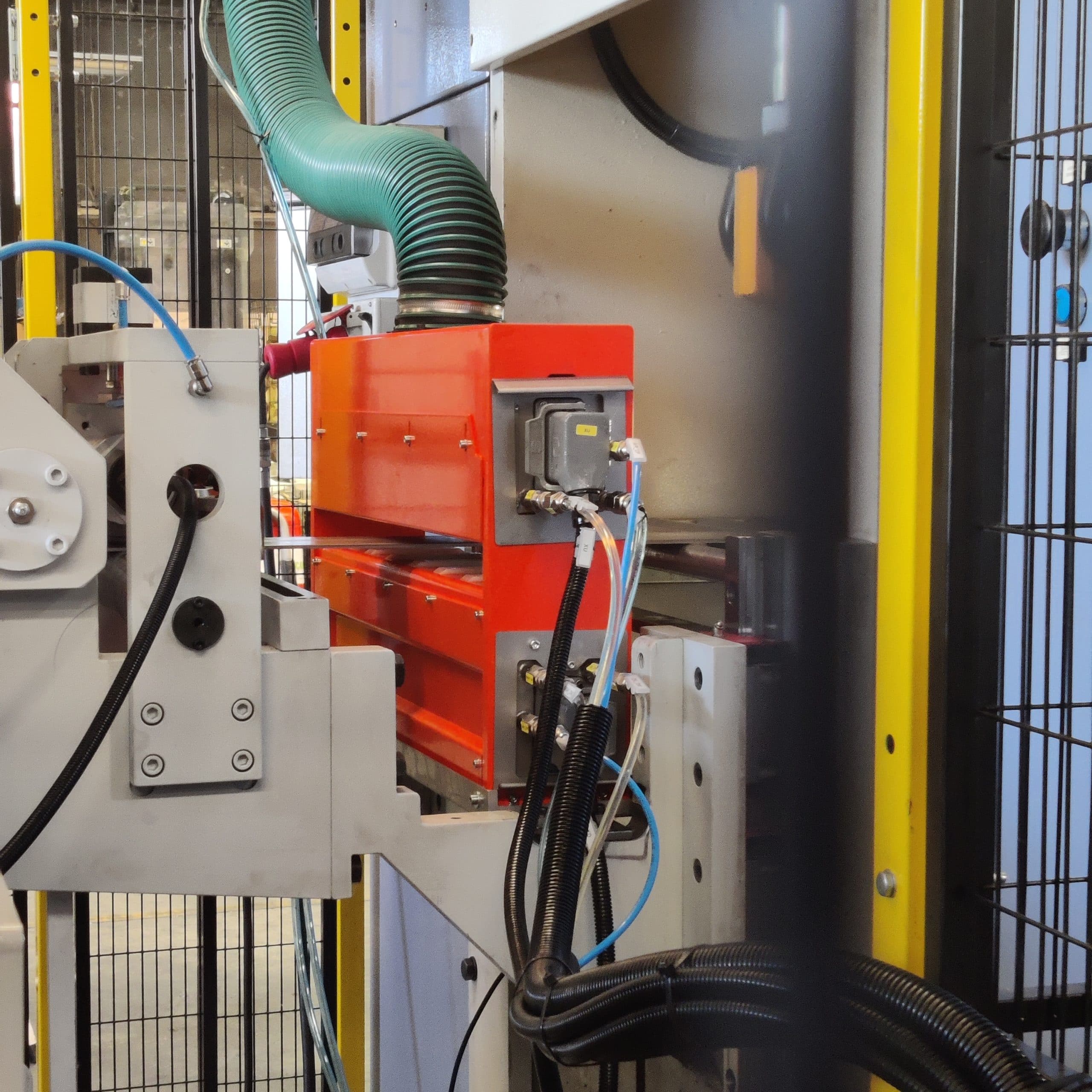
For companies operating in highly complex sectors, such as automotive, home appliances, or electrical component manufacturing, adopting integrated lubrication systems means ensuring consistent quality, reducing waste, and increasing production efficiency. Dietronic systems, for instance, are designed to adapt to a wide range of production needs, from lubricating small parts to large metal sheets for car body panels. This approach enables the full automation of lubricant dosing and application, making the process safer, cleaner, and more sustainable.
The Significant Benefits of Integrated Lubrication
Introducing an integrated lubrication system can deliver tangible advantages from the very first stages of use. Among the main benefits is the significant reduction in lubricant consumption, thanks to controlled and targeted application only where needed. This results in a twofold positive impact:
- Cost savings (waste is avoided)
- Lower environmental impact (polluting residues are reduced)
Moreover, workplace safety is greatly improved: operators are no longer exposed to vapors, splashes, or slippery surfaces, helping to reduce injuries and improve working conditions. From a production standpoint, integrated lubrication also cuts down post-process costs: stamped components require less washing, and the need for reworking pieces with aesthetic or functional defects is minimized.
Another key aspect is process repeatability: using automatic systems eliminates variability due to manual adjustments, ensuring consistent and reliable results. This is especially important in mass production, where any variation can lead to wasted time and money.
Tailor-Made Solutions for Every Production Need
One of the strengths of Dietronic’s solutions is their ability to adapt to various sectors and production formats. Whether it’s small electrical components or large metal sheets for the automotive industry, the modular and integrated approach allows for a customized lubrication management. The systems can be easily interfaced with existing production lines, without the need for major structural changes.
Adopting an integrated solution also makes it possible to monitor lubrication parameters through intuitive interfaces and advanced software, making supervision easy even for non-specialized personnel. Thanks to next-generation sensors, any anomaly is detected in real-time, preventing errors and machine downtime.
From a strategic point of view, investing in an integrated lubrication system means choosing a long-term solution: the reduction in consumption, maintenance time, and waste leads to tangible economic returns within the first months of use.
Dietronic’s Integrated Lubrication Solutions
Implementing an integrated lubrication system in your production line is not just a technical choice, but a real innovation strategy. Partnering with an expert like Dietronic—designing and manufacturing high-precision lubrication systems for over 20 years—means investing in a more efficient, safer, and more sustainable production process.
Each system developed by the company starts with listening to the customer’s needs and is designed to integrate seamlessly into the existing production line. From small components for electric motors to large metal sheets for the automotive sector, Dietronic’s integrated lubrication represents a cutting-edge technological solution, created to meet the challenges of Industry 4.0.
If you’re interested in the advantages our products offer, explore our SAGOMA unit. For detailed information or quotes, feel free to contact us at: sales@dietronic.eu