
Inefficient Industrial Lubrication? Here’s How to Solve the Problem
24 February 2025
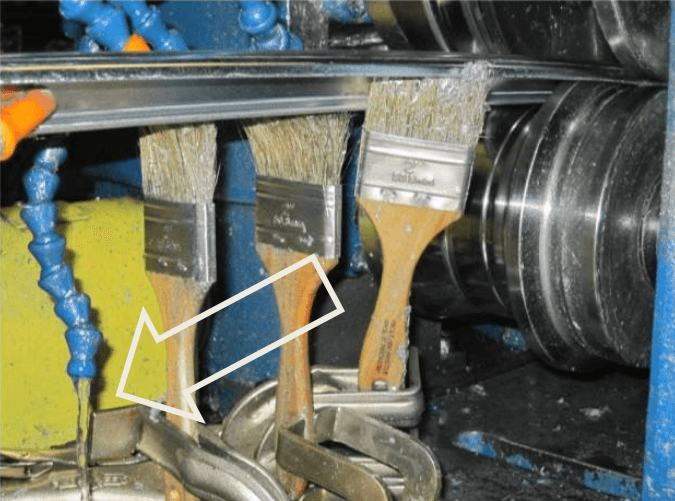
Industrial lubrication plays a crucial role in ensuring operational efficiency and extending the lifespan of molds. Proper lubricant application helps reduce friction between steel components such as molds and forming materials, preventing sudden breakages, production waste, and catastrophic failures. Without adequate lubrication, not only do operational costs increase due to frequent repairs, but companies also face unplanned machine downtimes that can disrupt the entire production cycle.
Common Issues in Lubrication Systems
Sheet metal lubrication systems can experience several issues that, if not promptly addressed, may compromise machinery efficiency and production process safety. Recognizing these challenges is essential for targeted interventions. Some of the most common problems include:
- Insufficient Lubrication: When the amount of lubricant dispensed is lower than required, friction between mechanical parts increases. This phenomenon accelerates component wear and can cause overheating, leading to sudden failures that require costly and unscheduled maintenance.
- Excess Lubrication: Over-applying lubricant also poses risks. Excess oil or grease buildup can encourage the formation of deposits and attract dust and debris. These contaminants may clog system components, causing inefficiencies, increasing consumption, and generating material waste.
- Lubricant Contamination: The presence of impurities such as solid particles, water, or other contaminants can alter lubricant properties, reducing its effectiveness. This problem often results from faulty seals, inadequate filters, or irregular maintenance, leading to faster deterioration of metal surfaces in machinery.
- System Component Failures: Mechanical issues such as clogged pumps, malfunctioning nozzles, or leaks in the piping can disrupt proper lubricant flow. If these anomalies are not detected and resolved quickly, they increase the risk of significant damage and compromise the continuous operation of the plant.
These problems highlight the importance of constant monitoring and timely interventions, which are essential for maintaining lubrication systems and, consequently, production machinery in optimal condition.
Solutions to Optimize Industrial Lubrication
To ensure maximum efficiency in lubrication systems and prevent the aforementioned issues, various solutions combining advanced technology with careful maintenance management can be adopted. The most effective strategies for optimizing lubrication include:
- Implementation of Automatic Lubrication Systems: These systems are designed to dispense lubricant precisely and consistently, adapting to the machine’s operating conditions. Automation reduces human error and ensures uniform lubricant distribution, minimizing the risk of insufficient or excessive application.
- Continuous Lubricant Quality Monitoring: Using sensors and monitoring devices enables real-time tracking of lubricant conditions. These technologies allow early detection of contamination or changes in lubricant properties, enabling corrective actions before problems escalate.
- Specialized Staff Training: Investing in the training of operators and production managers is essential for ensuring proper lubrication system management. A thorough understanding of application techniques and preventive maintenance procedures helps reduce errors and improve overall system efficiency.
- Scheduled Preventive Maintenance: Planning regular inspections and targeted interventions allows for the early detection and resolution of potential anomalies. Well-structured preventive maintenance reduces the risk of unexpected failures and extends machinery lifespan, contributing to overall production process optimization.
By adopting these solutions, companies can turn industrial lubrication into a competitive advantage, ensuring greater operational continuity and reducing maintenance costs. This approach not only safeguards machinery efficiency but also creates a more reliable and sustainable production environment in the long run.
Technological Innovations for Optimal Efficiency
Dietronic stands out for developing innovative solutions that directly address the critical issues in industrial lubrication systems. The company’s technologies allow precise lubricant dosage regulation, eliminating the risk of insufficient or excessive application that could lead to accelerated wear or harmful buildup on machinery. Additionally, with advanced monitoring systems, lubricant conditions can be continuously tracked, detecting real-time contamination or anomalies that could compromise plant operations.
These solutions enable proactive interventions, significantly reducing machine downtime while ensuring timely and effective maintenance. Integrating collected data with internal management systems also provides production managers with up-to-date and detailed information, facilitating strategic decision-making and intervention planning. As a result, Dietronic products not only resolve technical issues related to lubrication management but also transform a critical aspect into a competitive advantage, contributing to greater operational efficiency and overall maintenance cost reduction.
If you want to learn more about these solutions, take a look at our Sagoma unit. If you prefer to request detailed information or quotes, do not hesitate to contact us at our email: sales@dietronic.eu