
How to Optimize Lubrication System Maintenance
14 May 2025
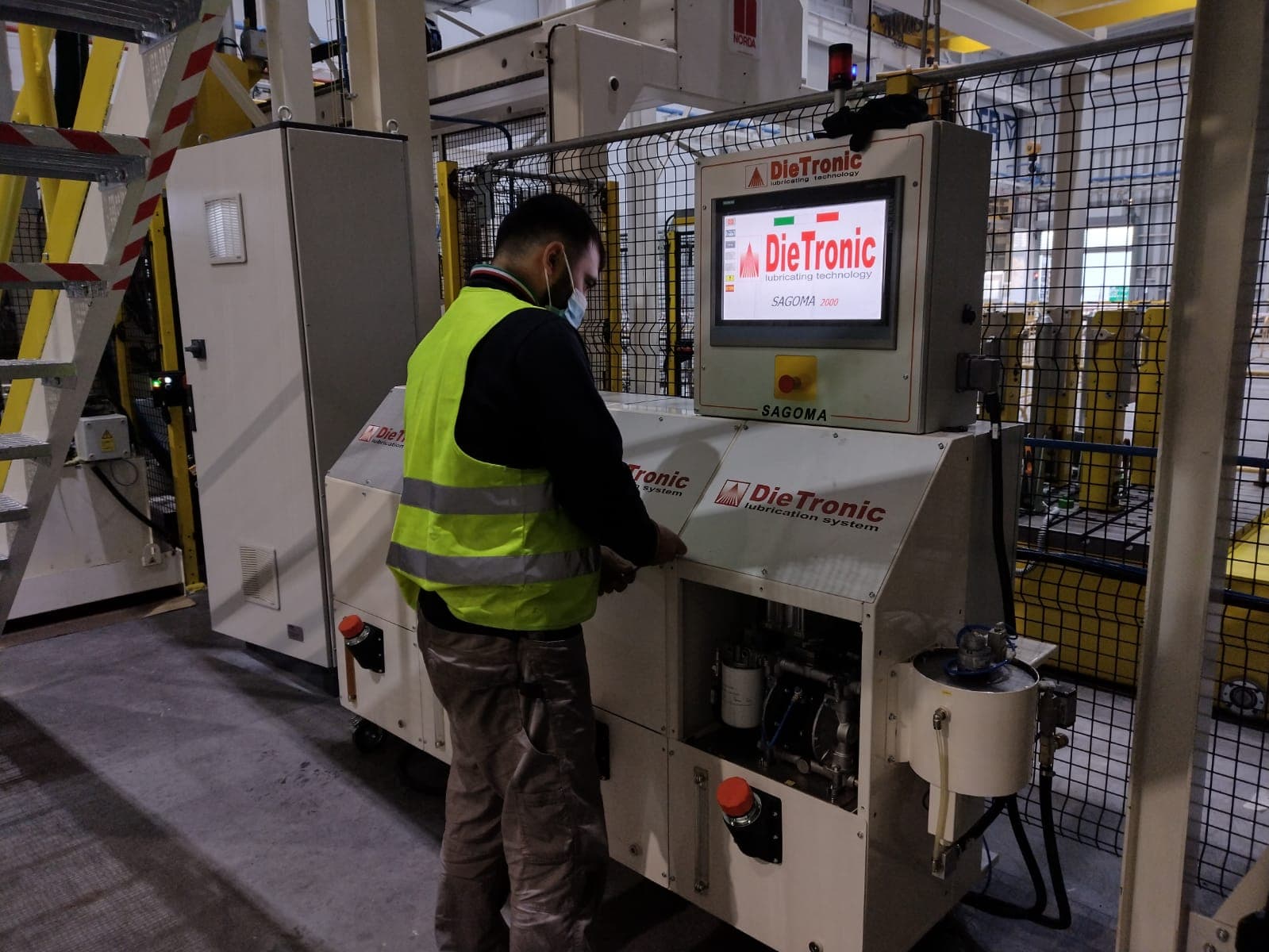
Lubrication system maintenance is not a secondary task, but a core component for ensuring plant operational continuity and machine efficiency. Accurate management helps reduce wear, prevent unexpected failures, and extend equipment lifespan. Achieving these results requires proper maintenance procedures and the adoption of advanced technological solutions.
The Importance of Lubrication System Maintenance
Lubrication systems are essential components in metal stamping and forming plants. Their efficiency directly impacts the quality of the final product, tool lifespan and the reliability of the entire production process. Inadequate maintenance can lead to serious consequences, such as increased tool wear, decreased quality of finished products, and increased unplanned machine downtime. These issues also result in higher energy consumption and a significant reduction in machinery lifespan, with evident economic repercussions.
Investing time and resources in lubrication system maintenance means protecting a fundamental company asset and ensuring operational continuity. This approach improves overall plant efficiency and reduces operating costs in the medium to long term.
To support its customers in this direction, Dietronic offers an annual scheduled maintenance service, which includes inspection by a specialized technician. This service ensures the correct functioning of the system, reducing the risk of unforeseen events that could cause machine downtime, thereby guaranteeing greater reliability and longevity of the equipment.
Strategic Maintenance Planning
Effective management of lubrication system maintenance begins with well-structured strategic planning. To optimize results, it is essential to follow several key steps:
- Create a detailed maintenance schedule: define regular deadlines for inspections, cleaning, and component replacements, based on manufacturer recommendations and operational experience.
- Document procedures: develop written protocols that detail maintenance operations, including necessary materials, timelines, and responsibilities.
- Train personnel: ensure that technicians responsible for maintenance are adequately trained on specific procedures and understand the importance of their correct execution.
- Implement a monitoring system: adopt tools to track the execution of maintenance activities and evaluate their effectiveness over time, creating a virtuous cycle of continuous improvement.
The preventive approach significantly reduces the risk of unexpected failures and optimizes the allocation of company resources.
Maintenance Techniques for Lubrication Systems
Cleaning is one of the most important aspects of any lubrication system. Contaminated systems can compromise the entire production process and cause significant damage. Implementing proper cleaning protocols is therefore a strategic investment for safeguarding the production plant.
- Tanks and lubrication circuits: tanks require periodic cleaning to prevent contamination. The optimal process involves complete emptying, removal of residues with specific detergents, and thorough visual inspection. For distribution circuits, periodic flushing with cleaning oils is recommended. Carried out by following the manufacturer’s instructions, thus ensuring the removal of deposits in the pipelines.
- Filters and dispensers: filters are crucial elements against contaminants. It is necessary to regularly check their condition and replace them according to the manufacturer’s instructions or based on lubricant analysis. During replacement, it is important to check the integrity of the seals and thoroughly clean the surrounding area. Dispensers and nozzles also require periodic checks to ensure optimal spraying.
Advanced Technologies for Predictive Maintenance
Technological evolution today offers numerous innovative tools that enable predictive maintenance of lubrication systems. Dietronic stands out in this field by integrating cutting-edge solutions that allow continuous and intelligent process control.
Dietronic’s lubrication systems are equipped with monitoring technologies that collect real-time data on critical parameters such as pressure, temperature, and lubricant flow. This information is analyzed by advanced algorithms, allowing the identification of anomalies and the prediction of potential failures before they occur. This approach enables targeted maintenance interventions, reducing machine downtime and optimizing operational efficiency.
Furthermore, the analysis of historical data collected by Dietronic systems provides production managers with a detailed overview of plant performance, facilitating informed decisions for the continuous improvement of processes. The integration of these advanced technologies represents a significant step towards more proactive, efficient, and sustainable maintenance.
For more information about these products, please refer to our Promax unit or contact us at: sales@dietronic.eu